
Essential Elements to Review at a Project’s Completion
Completing a project is always a significant milestone, but it’s not the end of the journey. To ensure that every project concludes successfully, and lessons learned are documented for future reference, a comprehensive review is essential. Before we delve into what you should review, it’s important to note that the evaluation process can be facilitated with resources, such as What to Review at a Foreign-Regulated Casino https://consensum-vuxs.se, which offer great tools for project management and reflection.
1. Project Objectives and Goals
The first element to review at the completion of a project is the objectives and goals set at its inception. Were these goals met? Were they realistic and achievable? Conduct a thorough comparison of initial objectives against the outcomes. This exercise will not only showcase the project’s success but will also highlight any areas where expectations were not met. It’s crucial to understand whether the goals were clear and whether they aligned with the stakeholders’ needs.
2. Stakeholder Feedback
Engaging stakeholders in a review process can yield valuable insights. Gather feedback from team members, clients, and other stakeholders about their experiences and perceptions of the project. What worked well? What didn’t? This will help create a well-rounded perspective on the project’s outcome and identify areas for improvement moving forward. Consider conducting surveys, interviews, or informal discussions to gather qualitative data directly from stakeholders.
3. Budget Performance
Reviewing the budget is crucial to understanding the financial aspects of the project. Did the project stay within budget? If not, what were the reasons for any overruns? Were there unexpected expenses, or was there a lack of financial planning? Documenting these financial discrepancies can provide valuable lessons for future projects and help create more accurate budgets in the future.
4. Timeline and Milestones
Time management is a critical factor in project success. Assess whether the project was completed on time and review the timeline against the planned milestones. Were there any delays? What were the causes of these delays? Understanding how well the project adhered to its timeline will offer insights into what processes need to be optimized for future projects. This review can also help highlight areas where time estimates may have been overly optimistic or unrealistic.
5. Quality of Deliverables
Quality should be evaluated through rigorous testing and review processes. Did the project deliverables meet the quality standards set before the project began? Were there any defects or issues identified post-completion? Taking the time to analyze quality can be essential, as it influences customer satisfaction and the reputation of your team or organization. Ensure that any lessons learned regarding quality are documented for future reference.
6. Lessons Learned and Best Practices
A critical component of any project review is documenting the lessons learned and established best practices. What did the team learn throughout the project that could enhance future efforts? This may include everything from improved communication strategies to more effective risk management approaches. Encourage open discussions on what went well and what could be improved for the next time. This knowledge base will become invaluable for future projects.
7. Team Performance and Dynamics
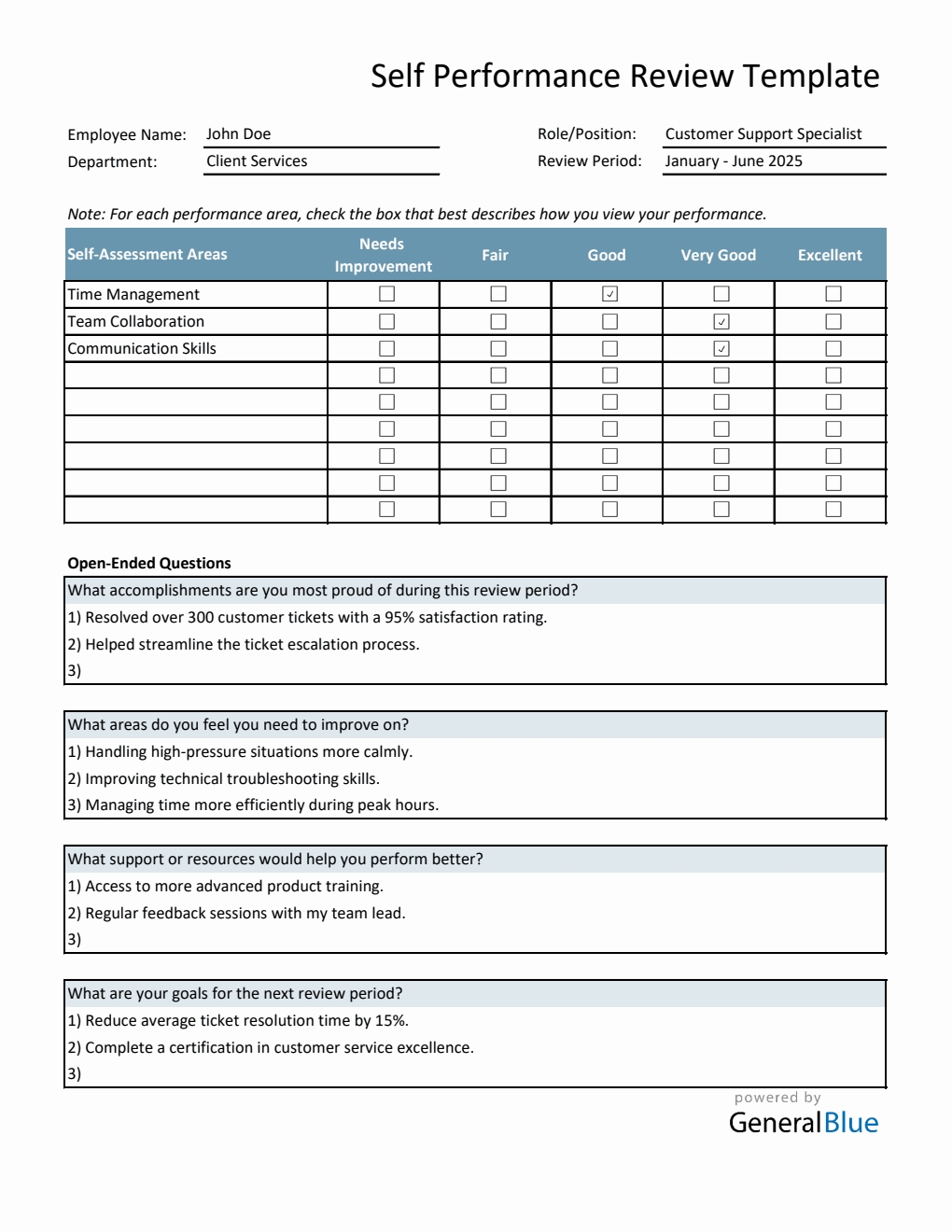
The effectiveness of the project team plays a significant role in project success. Review how well the team collaborated and communicated throughout the project. Were there any interpersonal conflicts or issues that affected productivity? Acknowledging team dynamics can help identify strengths and weaknesses within the team structure. Additionally, recognizing individual contributions can foster a sense of accomplishment and motivate team members for future projects.
8. Risk Management
No project is without its risks. A thorough review should include an assessment of the risk management strategies employed during the project. Were risks identified early, and were effective mitigation strategies implemented? Analyzing how risks were handled can provide insight into how future projects can be better prepared for potential challenges. Additionally, this review can highlight successful risk management practices that are worth replicating.
9. Communication Effectiveness
Communication is the backbone of any successful project. Assess how well information was shared among team members and stakeholders. Were there clear channels of communication? Did all team members have access to the information they needed? Good communication practices lead to greater efficiency and fewer misunderstandings. Pinpoint areas for improvement in communication strategies, and implement those insights in future projects.
10. Final Approval and Closure
Lastly, a formal approval process should be in place to ensure that the project is concluded appropriately. This includes obtaining final acceptance from stakeholders and ensuring that all deliverables are satisfactory. Closing a project effectively involves preparing final reports and documentation, ensuring that all contracts and obligations are fulfilled, and releasing resources back to the organization. This will not only enhance future project reviews but provide a framework for orderly project transitions.
Conclusion
Conducting a thorough review at the completion of a project is essential in ensuring that lessons are learned and successes are recognized. By analyzing objectives, feedback, budget performance, timelines, quality, and team dynamics, organizations can build a solid foundation for future projects. Implementing the lessons learned can significantly enhance project management practices over time. Remember that each project provides a wealth of experiences and insights, and taking the time to review them will ensure continuous improvement and success in future endeavors.