The Importance of Bluffing in Poker
Bluffing is a fundamental aspect of poker that separates skilled players from beginners. At its core, bluffing involves making your opponents believe you have a stronger hand than you actually do. This psychological strategy can lead to winning pots you might not have otherwise secured. Understanding when and how to bluff effectively can give you a significant edge in the competitive environment of a best casino online experience where strategies are constantly tested.
Moreover, effective bluffing not only requires a strategy but also a keen sense of observation. Players need to pay attention to their opponents’ behavior and betting patterns, as these cues can indicate confidence or uncertainty. For instance, if an opponent suddenly raises their bet after a series of conservative plays, this could signal a strong hand, or alternatively, it could be an attempt to intimidate you. Recognizing these tells can guide your bluffing strategy effectively.
Additionally, the timing and context of your bluff are crucial. A successful bluff usually occurs when the table dynamics favor it—such as when players appear weak or uninterested. For example, if the board reveals low cards and your opponent has not shown aggression, this could be an ideal moment to represent a strong hand. The ability to blend in your bluffs with genuine plays will enhance your overall game strategy and create unpredictable scenarios for your opponents.
Building Your Bluffing Strategy
To develop a solid bluffing strategy, it’s essential to analyze your own playing style and the tendencies of other players at the table. One effective approach is to use a balanced style; this means bluffing in moderation while also showing strong hands. By maintaining a balance, you can establish credibility, making your bluffs more believable when they do occur. If you frequently bluff without showing strong hands, players will quickly catch on and call your bluffs more often.
Incorporating position into your bluffing strategy is also vital. Players in later positions often have more information about their opponents’ actions, giving them an advantage when deciding whether to bluff. For instance, being last to act allows you to observe how opponents respond to the previous bets. If they exhibit weakness, it might be a perfect chance to make your move. Your position on the table should always inform your decisions and enhance your bluffing potential.
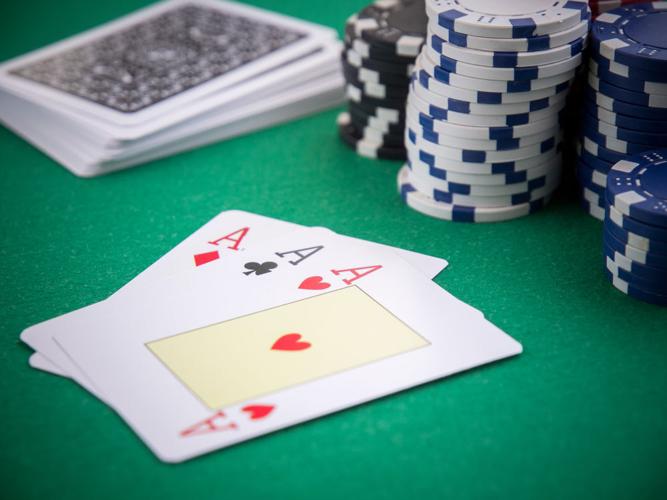
It’s also important to consider the type of bluff you’re executing. There are several techniques, such as the semi-bluff, where you bet on a drawing hand that can improve if called, or the pure bluff, where you have no chance of winning if called. Understanding the nuances of each type can help you choose the right moment to implement them. Experimenting with these strategies in low-stakes games can build your confidence and refine your skills without significant risk.
Recognizing When to Bluff
Knowing when to bluff is as crucial as the execution of the bluff itself. There are specific scenarios where bluffing can be more effective, such as when you have a tight table image. If players perceive you as a conservative player, they may be more inclined to fold against your aggression. For example, if you’ve been playing cautiously and suddenly increase your bet significantly, the stark contrast can make your opponents question their hand strength and fold if they assess their hands weak.
Another occasion to consider bluffing is when the community cards create a narrative that supports your potential hand. For instance, if the board shows three cards of the same suit, players might suspect someone is holding a flush. You can capitalize on this by representing the flush yourself to induce folds from hands that may be weaker. Crafting a believable story with the board can often lead opponents to make regrettable calls or folds, boosting your overall success.
Bluffing is also more potent when you’re facing a player with a loose or passive style. These players tend to call bets with a broader range of hands, making them vulnerable when they misinterpret your strong betting as genuine. For example, if you bet aggressively against such a player who has already demonstrated passivity, they may second-guess their decision and fold, even with a decent hand. Recognizing your opponents’ styles and adjusting your bluffing strategy accordingly can yield substantial rewards.
Maintaining Composure While Bluffing
The psychological aspect of poker plays a significant role when bluffing. Maintaining composure and confidence is essential not only for your own performance but also for convincing your opponents. If you yourself appear nervous or uncertain, it can give away the fact that you might be bluffing. Practicing mindfulness techniques can help mitigate anxious feelings, allowing you to focus better on reading the table and executing your bluff with poise.

Body language is another important factor in bluffing. Subtle indicators such as fidgeting or avoiding eye contact can raise suspicion. In contrast, being relaxed and making confident movements can reinforce the authenticity of your bet. Developing a consistent demeanor at the poker table can make your bluffs more credible. Rehearsing your poker face and mannerisms in non-competitive environments can help solidify these behaviors during crucial moments in the game.
Furthermore, watch how your emotional state can influence your gameplay. If you get caught up in a bluff that fails, it’s easy to let frustration affect your decision-making. Staying composed after a setback is crucial for maintaining a clear perspective in future hands. An adaptable mindset will help you ensure that one unsuccessful bluff doesn’t dictate your entire game, enabling you to recover and continue strategizing effectively.
Enhancing Your Poker Skills Through Practice
Improving your bluffing skills requires dedication and consistent practice. Engaging in online poker games or local home games can provide the opportunity to experiment with different bluffing techniques without serious financial risks. These environments allow you to get accustomed to various player types and refine your reading abilities over time. The more you play, the better you’ll become at identifying the right moments for bluffing.
Additionally, reviewing past hands can be a valuable learning tool. Analyze your successful and unsuccessful bluffs to understand what worked and what didn’t. By breaking down each situation, you can identify patterns in your decisions and learn from your mistakes. Using tools like hand history reviews or poker software can help illuminate areas needing improvement and serve as a vital resource in mastering your bluffing technique.
Furthermore, consider discussing strategies with fellow poker enthusiasts or participating in forums where advanced players share insights. Engaging with a community can expose you to diverse strategies and perspectives on bluffing. Being open to feedback and incorporating new ideas into your playstyle can significantly elevate your skills and overall poker proficiency. As you continue to enhance your understanding of the game, your ability to bluff effectively will naturally improve.